
Durable Finishes for Metal Keychains: Which One Is Best?
A complete comparison of every metal finish option — with real durability data, production limits, and clear recommendations to help you make the right choice the first time.
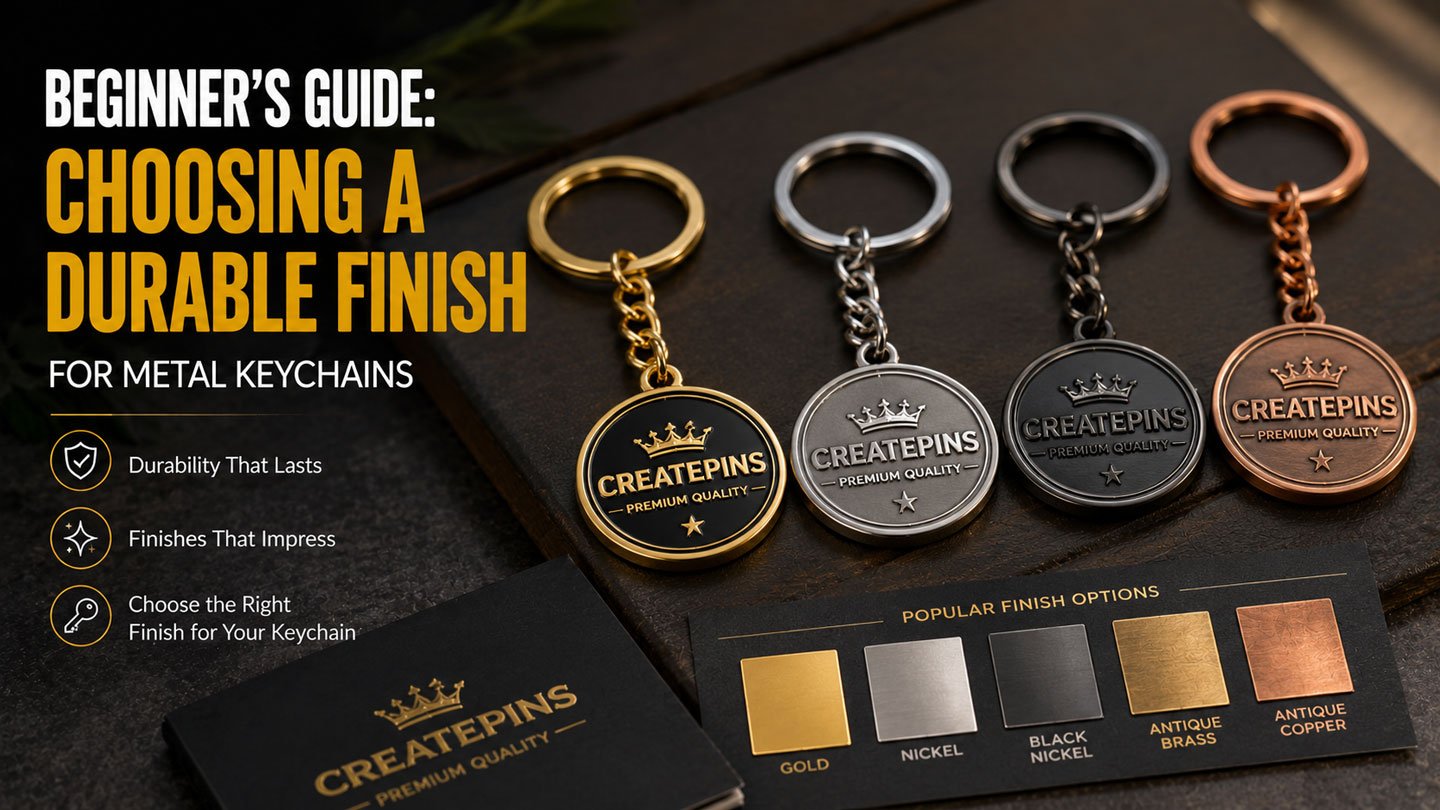
Metal keychains live a tough life. They are dropped daily, scraped against other keys, rubbed inside pockets and bags, and exposed to sweat, UV light, moisture, skin oils, and in many cases heavy mechanical wear. Because of all this, the finish — whether plating, enamel, powder coat, or anodizing — is the single biggest factor that determines how long a keychain stays beautiful and functional.
- Why durable finishes matter and how fast cheap finishes fail
- A full comparison of all common metal keychain finishes with durability ratings
- Production design limits and risks you must know before ordering
- Real-world wear test data from factory friction testing
- Plating thickness benchmarks and what to request from your supplier
- Recommended finishes for every type of application
- Cost comparisons across finish types
- The most common beginner mistakes — and exactly how to avoid them
- Why Durable Finish Matters
- Overview of Common Finishes with Durability Ratings
- Detailed Breakdown of Each Finish
- Production Limits You Must Consider
- Cost Comparison by Finish Type
- Recommended Finishes by Application
- Real-World Wear Test Data
- Caring for Your Keychain Finish
- Beginner Mistakes to Avoid
- Quick Decision Chart
- Frequently Asked Questions
1. Why Durable Finish Matters
1.1 Keychains Face Extreme Wear
On average, a person uses their keys 6–12 times per day. Every interaction puts stress on the keychain’s surface. The metal finish is constantly exposed to multiple sources of wear simultaneously:
| Wear Source | Estimated Impact |
|---|---|
| Rubbing against other keys | 40–60% of surface micro-abrasions |
| Contact with sharp metal edges | 20–30% of visible scratches |
| Moisture, sweat, humidity | 10–20% corrosion risk |
| UV exposure & oils from skin | Gradual color fading or dulling |
| Dropping on hard surfaces | Occasional but high impact — dents, chips, bent hardware |
A weak or poorly chosen finish can begin losing its shine or start peeling within 1–3 months of daily use. A properly selected, durable finish — matched to the keychain’s intended use — can keep it looking new for 2–5+ years. The choice you make at the design stage determines which outcome your customers experience.
1.2 Why Finish Gets Overlooked
Most first-time buyers spend the bulk of their planning time on artwork, colors, and packaging — and treat the finish as an afterthought, often defaulting to whatever the factory quotes first. This is understandable, since finish options aren’t visually exciting on a spec sheet the way artwork is. But the finish is what your customer actually touches every single day. A beautiful design in a weak finish will look worse in three months than a simple design in a durable finish. Treat finish selection as a core design decision, not a checkbox at the end.
2. Overview of Common Keychain Finishes (with Durability Ratings)
The table below summarizes all common metal keychain finishes with simplified durability scores based on factory test data and industry standards. Use this as your at-a-glance reference before diving into the details below.
| Finish Type | Durability Score (1–10) | Wear Resistance | Corrosion Protection | Notes |
|---|---|---|---|---|
| Hard Enamel + Electroplating | 9 | Excellent | Excellent | Premium, long-lasting |
| Soft Enamel + Electroplating | 7 | Very Good | Good | Color sits lower, somewhat protected from scratches |
| Anodized Aluminum | 8 | Excellent | Good | Best for lightweight keychains |
| Powder Coat | 8 | Excellent | Excellent | Strong against chemicals |
| Stainless Steel (no plating) | 10 | Excellent | Excellent | Industrial-grade durability |
| Imitation Gold Plating | 6 | Medium | Medium | Affordable but wears with friction |
| Black Nickel | 5 | Medium | Low | Looks premium but scratches easily |
| Spray Paint Coating | 3 | Low | Low | Not recommended for long-term use |
3. Detailed Breakdown of Each Finish Option
3.1 Hard Enamel + Electroplating — Best Overall Durability
Durability: ★★★★★★★★★☆ (9/10)
Why it lasts:
- Enamel is baked until fully hardened into a glass-like surface
- Surface is polished completely flat, which significantly reduces friction damage
- Performs best in high-contact areas where keys constantly rub together
Ideal for:
- Corporate gifts and promotional merchandise
- Daily-use premium keychains
- Retail products at artist markets and online shops
For a deep dive into how to design correctly for hard enamel production, see our technical tips for enamel pin design — the same production rules apply to keychains.
3.2 Soft Enamel + Electroplating
Durability: ★★★★★★★☆☆☆ (7/10)
Why it lasts:
- Recessed enamel is partially protected from direct abrasion by the surrounding raised metal lines
- Multiple plating options are available to add corrosion resistance underneath
Good choice when:
- You want solid durability at a lower cost than hard enamel
- Layered textures and color contrast are part of your design language
- You want to include specialty effects like glitter or glow-in-the-dark fill (not possible with hard enamel)
3.3 Anodized Aluminum
Durability: ★★★★★★★★☆☆ (8/10)
Why it lasts:
- The anodic layer is chemically bonded to the metal itself, rather than sitting on top of it like plating
- High resistance to both friction and UV exposure
- Significantly lighter than zinc alloy or steel — typically 30–50% lighter at the same size
Best for:
- Industrial and outdoor keychains
- Sports brands and lightweight promotional items
- Carabiner-style keychains
3.4 Powder Coated Metal
Durability: ★★★★★★★★☆☆ (8/10)
Why it lasts:
- The coating is 4–10× thicker than standard liquid paint
- Heat-cured, making it highly chip-resistant
- Strong resistance to chemicals, humidity, and sweat
Ideal for:
- Automotive and mechanical brand keychains
- Manufacturing and industrial giveaways
- Outdoor lifestyle brands
3.5 Stainless Steel with No Plating
Durability: ★★★★★★★★★★ (10/10)
Why it lasts:
- Zero plating means there is nothing to wear off — the surface is consistent all the way through
- Highly resistant to corrosion, sweat, and scratches
- Industrial-grade metal that holds up to genuinely heavy use
Ideal for:
- Tactical keychains
- Survival and outdoor brands
- Luxury minimal designs
3.6 Black Nickel Plating
Durability: ★★★★★☆☆☆☆☆ (5/10)
Why people choose it:
- High-end, glossy “mirror black” aesthetic
- Great fit for luxury and collector-focused brands
Why it can fail:
- Shows scratches extremely easily — even light fingernail contact can mark it
- High humidity accelerates surface corrosion
- Not suitable for rough handling or heavy daily use
Best for: Collector keychains, decorative display items.
3.7 Imitation Gold Plating
Durability: ★★★★★★☆☆☆☆ (6/10)
Imitation gold plating uses a thin electroplated layer of gold-colored alloy over a base metal. It is significantly cheaper than genuine thick gold plating, offering moderate durability — fine for occasional-use items but not ideal for heavy daily carry, since the layer wears through progressively at friction points such as the ring contact area and outer edges.
Best for: Budget promotional keychains, event giveaways, and lower-cost retail merchandise where price point is the primary consideration.
3.8 Spray Painting — Least Durable
Durability: ★★★☆☆☆☆☆☆☆ (3/10)
Use spray paint coating only for giveaways or temporary items — never for retail products intended to last.
4. Production Limits You Must Consider
Even the best finish choice can fail if the underlying design violates physical production constraints. Understanding these limits before you finalize artwork will save you from expensive surprises at the sample stage.
4.1 Minimum Metal Line Width
Too-thin metal leads to plating failures or enamel chipping. The minimum safe widths for keychains are:
- Keychain outline/border: ≥ 0.8 mm
- Internal design lines: ≥ 0.6 mm
- Tiny holes: avoid anything under 2 mm diameter
See our expert enamel pin size and thickness guide for more detail on how line weights affect production across all finish types.
4.2 High-Wear Contact Points
Certain design shapes create structural weak points that wear through plating rapidly or physically break. Avoid these in your keychain design:
⚠ Tiny decorative loops under 3 mm
⚠ Delicate ornamental extensions
⚠ Sharp 90-degree internal corners
These shapes break or wear through the plating quickly — rounding sharp corners and thickening protruding elements are the most impactful design changes you can make for keychain durability.
4.3 Plating Thickness
Most budget factories default to plating thicknesses adequate for display items but not for daily-carry use. Standard factory ranges look like this:
| Plating Type | Typical Thickness |
|---|---|
| Gold / Chrome / Nickel (standard) | 0.1–0.3 µm |
| Premium “Thick Plate” | 0.5–1.5 µm |
| Heavy Industrial Plate | 2–3 µm |
For daily-use keychains, always ask for at least 0.5 µm plating. This is not the default at most factories — you need to request it explicitly. The price difference is modest (typically 10–20% more per unit) but the durability difference is substantial.
4.4 Environmental Exposure Limits
Match your finish choice to the environment your customers will actually use the keychain in:
- Humid climate: Avoid black nickel — switch to black dye or powder coat instead
- Exposure to sweat (gym, sports, outdoor): Stainless steel or anodized aluminum work best
- Outdoor UV exposure: Powder coat resists fading considerably better than enamel
- Heavy key rings with many keys: Hard enamel and stainless steel hold up best; other finishes show wear sooner at contact points
5. Cost Comparison by Finish Type
Durability is only half the decision — budget matters too. Here’s roughly how each finish compares on cost per unit at typical small-batch order quantities (100–300 pieces), so you can balance durability against price.
| Finish Type | Relative Cost | Typical Premium vs. Standard Plating |
|---|---|---|
| Standard plating (0.1–0.3 µm) | $ | Baseline |
| Soft Enamel + Electroplating | $ | Baseline to +10% |
| Imitation Gold Plating | $ | Baseline |
| Thick Plating (0.5–1.5 µm) | $$ | +10–20% |
| Hard Enamel + Electroplating | $$ | +20–35% |
| Anodized Aluminum | $$ | +15–25% |
| Powder Coat | $$ | +15–30% |
| Black Nickel | $$ | +10–20% |
| Stainless Steel (unplated) | $$$ | +30–60% |
| Spray Paint Coating | $ | Lowest cost, lowest durability |
6. Recommended Finishes by Application
Use this as a quick reference when briefing your manufacturer or planning your keychain product line.
Daily Key Use / Everyday Carry
→ Hard enamel + thick plating (0.5 µm+)
→ Stainless steel
→ Anodized aluminum
Avoid: black nickel, spray paint, standard-thickness plating
High-End Retail Keychains
→ Hard or soft enamel with gold/nickel plating
→ Avoid black nickel unless decorative only
Pair with custom backing card packaging to boost perceived value — see our complete enamel pin design guide for packaging and presentation tips that apply equally to keychains
Sport, Outdoor, and Tactical Use
→ Stainless steel
→ Powder-coated steel/aluminum
Avoid: enamel finishes, black nickel
Budget Promotional Keychains
→ Soft enamel
→ Anodized aluminum
Avoid: spray paints and fragile plating
Collector Display Keychains (Not for Heavy Daily Use)
→ Black nickel
→ Antique finishes
→ Dual plating (premium aesthetic)
Communicate clearly to customers that these are display/collector items, not heavy daily-carry products
Need Professional Guidance?
At CreatePins.com, we help you navigate these decisions with factory-direct expertise. Get a free design review and durability assessment for your keychain project.
Get Your Free Design Consultation →7. Real-World Wear Test Data (CreatePins.com Factory)
To provide concrete durability data rather than just theory, we conducted 100-hour friction tests using metal abrasion wheels designed to simulate pocket and key-ring friction at an accelerated rate — equivalent to approximately 6–12 months of typical daily keychain use.
| Finish | Visible Wear After 100 Hours |
|---|---|
| Stainless Steel | Minimal |
| Hard Enamel + Nickel | Low |
| Anodized Aluminum | Low to Medium |
| Soft Enamel + Nickel | Medium |
| Black Nickel | High |
| Spray Paint | Very High (chipping) |
8. Caring for Your Keychain Finish
Even the most durable finish lasts longer with a little basic care. These habits cost nothing and meaningfully extend the life of any keychain finish:
- Wipe down regularly: A soft, dry cloth removes sweat, oils, and grime before they have a chance to dull the surface or accelerate corrosion.
- Avoid harsh chemicals: Hand sanitizer, perfume, and cleaning products can degrade plating and enamel finishes over time — keep keychains away from direct contact when possible.
- Separate heavy keyrings: If a single ring is overloaded with many keys, consider splitting them across two rings to reduce constant friction on any one keychain.
- Store collector pieces separately: Black nickel and antique finishes intended for display should be stored away from daily-carry items that could scratch them during handling.
- Address small chips early: A small enamel chip can sometimes be touched up with a closely matched nail polish color and sealed with a clear top coat — addressing it early prevents moisture from getting underneath and spreading the damage. For more detail, see our guide on how to fix enamel pin damage at home, which applies equally to keychains.
9. Beginner Mistakes to Avoid
10. Quick Decision Chart
Not sure where to start? Use this decision chart to find your best finish match in seconds:
If you want: Maximum durability
→ Stainless steel, or hard enamel + thick nickel/chrome plating (0.5 µm+)
If you want: Full color design
→ Hard enamel preferred; soft enamel as a budget-friendly alternative
If you want: Premium dark finish
→ Black dye (durable) over black nickel (decorative-only risk)
If you want: Low cost but long lifespan
→ Anodized aluminum — strong durability-to-price ratio
If you want: Outdoor / sport / tactical
→ Stainless steel or powder-coated steel — both handle UV and rough handling well
If you want: A collector or gift display item
→ Black nickel, antique gold/silver, or dual plating — prioritize aesthetics over daily-wear durability
Conclusion
Choosing the right finish determines whether your metal keychain lasts months or years. For most creators, the safest and most durable options are:
- ⭐ Hard enamel + thick plating (0.5 µm+)
- ⭐ Stainless steel (unplated)
- ⭐ Anodized aluminum
Understanding production limits, plating thickness, and wear patterns will help you design keychains that look great over time and perform reliably for your customers — and that earn great reviews from day one.
Frequently Asked Questions
Stainless steel with no plating scores the highest durability (10/10) because there is nothing to wear off. For colorful designs, hard enamel combined with thick electroplating (0.5 µm or more) is the next best choice at 9/10 for daily-use keychains.
A poorly chosen finish such as spray paint or thin imitation plating can visibly wear and chip within 1–3 months of daily use. A properly selected durable finish — hard enamel, powder coat, anodized aluminum, or stainless steel — can keep a metal keychain looking new for 2–5 years or more, depending on daily handling conditions.
Black nickel looks premium and is popular for luxury or collector keychains, but it scores only 5/10 for durability. It shows scratches extremely easily and corrodes faster in humid conditions. For daily carry, it is not recommended. Better alternatives for a dark finish include black dye or powder-coated steel.
For a metal keychain to survive both production and daily wear, the outer outline should be at least 0.8 mm thick and internal design lines should be at least 0.6 mm wide. Holes in the design should be no smaller than 2 mm in diameter.
Standard factory plating ranges from 0.1 to 0.3 µm, which is fine for display or occasional-use items. For daily-carry keychains, request a minimum of 0.5 µm — ideally 1.0–1.5 µm for the best long-term results. Always confirm this in writing before paying your production deposit.
For outdoor, sports, and tactical keychains, stainless steel (unplated) or powder-coated steel and aluminum are the top choices. Both resist UV fading, moisture, sweat, and heavy mechanical wear.
Yes. Soft enamel scores 7/10 for durability, which is good for most uses. The recessed enamel areas are partially shielded from direct abrasion by the surrounding raised metal lines, though if those lines are under 0.6 mm wide the enamel edges can chip. Hard enamel is still preferred for the heaviest daily-use applications.
Spray paint is the least durable finish available, scoring only 3/10. It has no mechanical bond to the metal surface and chips within 4–12 weeks of daily use. Colors also fade quickly under UV exposure. It is only appropriate for short-term promotional giveaways — never for retail products.
Minor enamel chips can sometimes be touched up with a closely matched nail polish color sealed with a clear top coat. Scratched plating is much harder to repair at home and typically requires professional re-plating. See our guide on how to fix enamel pin damage at home for full DIY repair guidance — all methods apply equally to enamel keychains.
Related Guides
- How Much Do Custom Keychains Cost in 2026? (Complete Pricing Guide)
- The Beginner’s Guide to Enamel Pin Plating Colors
- How to Choose Enamel Pin Colors: A Complete Color Palette Guide
- Technical Tips for Enamel Pin Design (Beginner Guide)
- How to Choose the Perfect Size & Thickness for Your Enamel Pin Design
- Complete Enamel Pin Design Guide (2026)
- Best File Formats for Custom Enamel Pins (AI vs PSD vs PNG)
- Ethical Enamel Pins Manufacturing: What It Really Means
- How to Fix Enamel Pin Damage at Home (Easy DIY Repairs Guide)
- Import Enamel Pins: Complete Customs Clearance Guide